Revamp Your Outdoor Area: Tips From a Professional Landscaper
Upgrading an exterior living area calls for careful consideration and planning. A professional landscaper emphasizes the significance of evaluating existing features and identifying distinct spaces for multiple functions. Adding hardscape features can elevate the utility and character of the space. Additionally, selecting the right plants and lighting can significantly influence the overall atmosphere. Appreciating these aspects is critically important. What measures should be followed to turn an outdoor vision into reality?
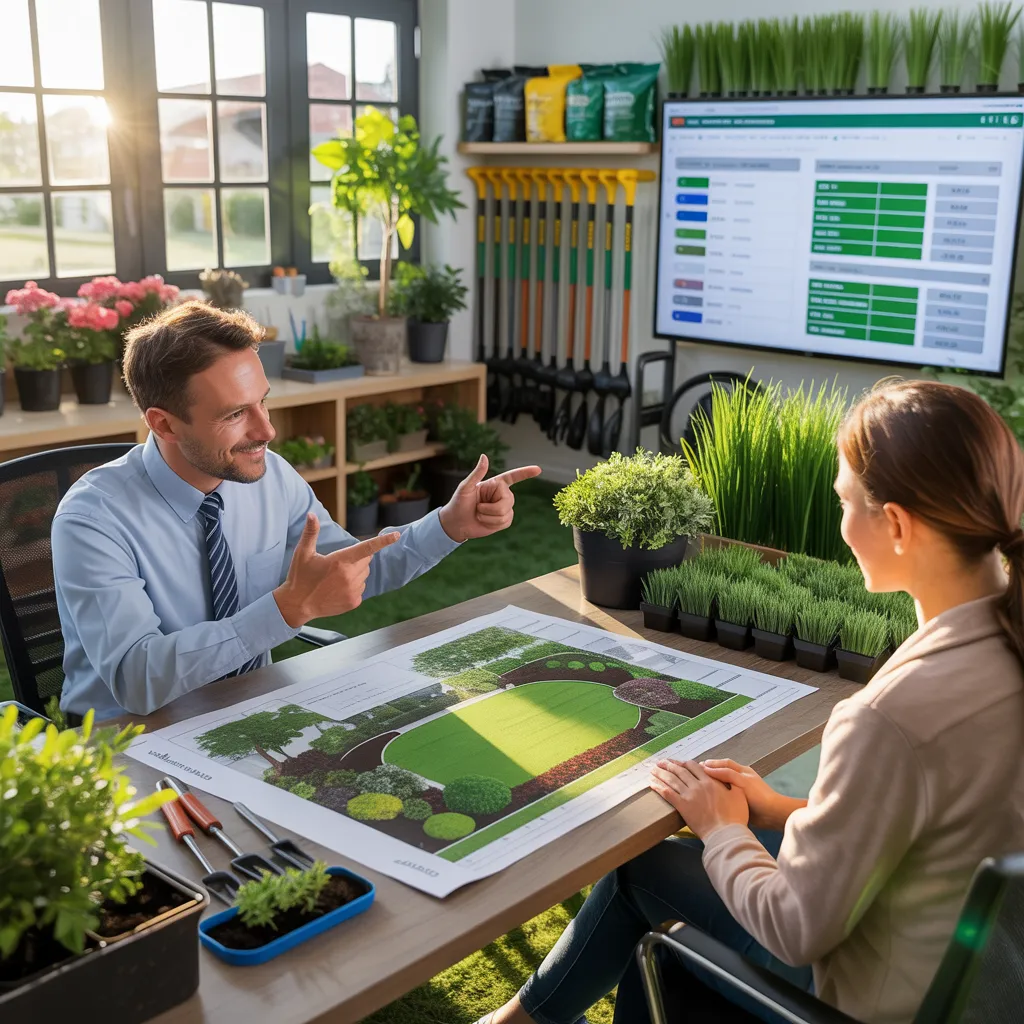
Examine Your Outdoor Area: Pinpoint Important Improvements to Consider
How should one go about examining an outdoor space to pinpoint required modifications? Initially, a detailed examination of the area is required. This involves assessing the practicality of current elements like walkways, seating areas, and illumination. Observing how these elements interact with one another can reveal potential improvements. Furthermore, it is important to evaluate the general state of vegetation and landscaping supplies, identifying sections that might need upkeep or renewal.
Next, assessing the area's practicality is crucial. Are there zones for relaxation, entertainment, or gardening? Pinpointing neglected zones can reveal potential for improvement. Natural conditions, including sunlight and drainage patterns, should be taken into account as well, as they impact the health of plants and general enjoyment.
Lastly, gathering feedback from household members or frequent guests can offer helpful perspectives. When merging firsthand observations with outside feedback, a detailed plan can be established for making impactful changes to the outdoor environment.
Discover Your Style: Selecting the Perfect Style for Your Yard
Choosing the perfect aesthetic for a garden commences with identifying personal preferences. Exploring various garden themes can enable homeowners create a space that showcases their personality and meets their needs. By carefully considering these factors, one can transform an garden space into a harmonious and welcoming sanctuary.
Recognize Your Preferences
When defining the style of a garden, one must consider personal style and the overall aesthetic vision. This approach begins by examining one's own sensibilities, whether leaning towards contemporary clean lines, countryside appeal, or lush tropical influences. A thoughtful consideration of hues, vegetation varieties, and outdoor elements can direct selections that reflect one's vision. Beyond aesthetics, practical elements such as climate, maintenance levels, and available space must be factored into choices. Thinking about the primary function of the garden—whether designed for social gatherings, peaceful retreats, or active cultivation—serves to clarify design preferences. Ultimately, identifying these elements creates a harmonious plan that elevates the exterior space and embodies the resident's individuality and daily habits, establishing the basis for a genuinely individualized outdoor sanctuary.
Discover Garden Themes
Examining garden themes helps property owners to develop a unique exterior visual style that reflects their individual style and habits. A range of styles, such as Mediterranean, modern, or cottage, provide special characteristics that can be customized for specific desires. A cottage garden, characterized by its relaxed design and varied plant selections, radiates character and coziness. Conversely, a contemporary outdoor space highlights sleek design and simplicity, commonly utilizing paved surfaces and modern elements. Mediterranean themes cultivate a sense of tranquility, utilizing hardy plants and rich, warm tones. When selecting a theme, homeowners should evaluate key aspects like environmental conditions, care demands, and aesthetic preferences. Ultimately, a thoughtfully chosen landscape style not only enhances the aesthetic beauty but also creates a unified exterior environment that embodies the homeowner's identity.
Introduce Hardscaping for Structure
To elevate the general appeal of an outdoor environment, incorporating hardscaping elements provides essential structure and balance. Hardscaping encompasses the non-living elements such as patios, walkways, retaining walls, and decorative stones that form well-defined zones within the outdoor setting. These features enhance both practicality and visual appeal, directing foot traffic and creating focal points.
For instance, a well-placed stone pathway can direct people through a garden, while a raised patio can act as an outdoor living area, creating a clear shift from the home to the yard. Moreover, including materials like brick, pavers, or natural stone can improve the visual appeal and durability of the space.
Incorporating hardscaping not only cuts down on maintenance by reducing grassy areas but also allows for innovative designs that express personal taste. In the end, these elements lay the groundwork for a cohesive outdoor environment, integrating naturally with the natural surroundings.
Find the Best Plants for Your Climate
When choosing plants for outside environments, knowledge of the local climate is essential. This knowledge allows for the selection of native plants, which are often more resilient and better adapted to the environment. By choosing the right species, gardeners can enhance their landscape's sustainability and visual appeal.
Analyze Your Local Climate
Understanding the regional climate is vital for selecting the right plants, as it directly influences their thriving and endurance. Factors such as temperature fluctuations, ambient humidity, precipitation, and solar exposure serve a critical function in establishing which plants prosper. As an example, zones with scorching summers and moderate winters may benefit drought-hardy specimens, while localities with high moisture levels might support more moisture-loving varieties. Horticulturists should also factor in seasonal transitions and microclimate conditions within their outdoor environment, as these can considerably alter plant performance. By assessing regional climate conditions carefully, gardeners can develop a personalized cultivation approach that not only boosts ornamental value but also encourages an enduring and flourishing garden ecosystem. This strategy produces healthier plants and reduced maintenance efforts.
Native Plants Benefits
Selecting native plants for a garden aligns well with the insights gained from evaluating the local climate. These plants are adapted to local conditions, demanding reduced water, fertilizer, and maintenance relative to non-native species. They prosper within specific soil types and weather patterns, fostering healthier ecosystems. In addition, native plants draw in local pollinators, such as bees and butterflies, which are essential for biodiversity. Through integrating native species, homeowners can establish sustainable landscapes that benefit wildlife and improve the aesthetic value of their outdoor spaces. Additionally, these plants often display resilience against pests and diseases prevalent in the area, lessening the need for chemical interventions. In the end, selecting native plants cultivates a harmonious relationship between the garden and its surrounding environment.
Enhance Your Space With Outdoor Lighting
Creating the right ambiance with outdoor lighting can convert any environment into an inviting haven. Carefully positioned lighting can highlight architectural features, pathways, and gardens, improving the general appearance. Gentle, warm illumination is ideal for creating an inviting atmosphere, while hanging lights or outdoor lanterns can add a whimsical touch to outdoor gatherings.
Experts suggest using layered lighting to achieve depth. For instance, pairing ambient lighting with task and accent lights can achieve a harmonious lighting effect. Incorporating motion sensor lighting boosts safety while also delivering efficient light coverage.
Furthermore, using dimmers allows for flexibility, facilitating adjustments to suit any event. Solar lights serve as a sustainable solution that involves minimal care, making them suitable for various outdoor settings. At the end of the day, well-designed outdoor lighting not only boosts safety but also invites relaxation and social interaction, making any outdoor area more enjoyable.
Personalize Your Space: Decorative Ideas to Improve Your Garden Area
Outdoor spaces can be significantly elevated by incorporating personal elements that showcase personal taste. Incorporating distinctive outdoor decorations, such as ornamental figures or wind chimes, can develop eye-catching features that attract notice. Selecting vibrant planters or ornamental containers infuses lively color, while trellises adorned with climbing plants provide impressive vertical appeal.
Personalized seating areas, featuring cushions in diverse textures and patterns, encourage rest and social interaction. Outdoor walkways accented with decorative stepping stones or pebbles can direct visitors throughout the garden, enriching the complete journey.
Incorporating components like bird feeders or butterfly houses adds charm while also attracting wildlife. Furthermore, incorporating time-appropriate decorations, such as autumn gourds or spring flowers, maintains a lively and refreshing garden atmosphere across every season.
Keep Your Oasis: Key Care Tips for Long-Lasting Beauty
Maintaining a garden oasis calls for regular attention to confirm its beauty endures through the changing seasons. Frequent watering is crucial, particularly during droughts, making sure that plants obtain sufficient moisture without becoming waterlogged. Placing mulch near plants helps hold in moisture and control weeds, encouraging a more flourishing garden. Trimming is a vital responsibility; it promotes new growth and removes dead or diseased branches. Fertilizing should be done according to plant needs, delivering vital nutrients for vibrant blooms and rich foliage.
Controlling weeds is vital; an active strategy minimizes the struggle for nutrients and space. Regular seasonal checks help detect pests or diseases at an early stage, enabling prompt corrective action. Additionally, essential lawn upkeep practices like mowing and aeration help achieve a refined and well-kept look. By following these essential maintenance guidelines, any outdoor area has the potential to prosper, evolving into an enduring haven that captivates and inspires throughout the seasons.
Get the Most Out of Your Outdoor Space at Night
How does one fully experience a garden area after the sun sets? Strategic lighting completely changes the mood, illuminating garden elements and forming welcoming walkways. Soft, warm lights can enhance the beauty of trees and plants, while string lights add a whimsical touch. Introducing lanterns or candlelight creates a warm and inviting setting, perfect for entertaining or peaceful nights.
Furthermore, integrating outdoor heaters or fire pits enhances usability, offering heat and comfort during cooler nights. Auditory features, like water features or soft music, can improve the immersive experience, making the space feel more alive.
Furniture choices also play a significant role; comfortable seating encourages relaxation and social interaction. As a final touch, include night-blooming plants to bring both scent and visual charm to the space after sunset. Through careful attention to these details, one can craft a captivating outdoor retreat that comes alive in the evening, welcoming discovery and delight well after the sun goes down.
Frequently Asked Questions
How Do I Budget for a Landscaping Project?
To budget for a landscaping project, it is important to identify the desired elements, gather quotes from professionals, factor in materials and labor costs, and establish a contingency fund for unforeseen costs during the project.
What Are the Ideal Times of Year for Landscaping?
The ideal times for landscape work are generally fall and early spring. During these seasons, temperatures are moderate, enabling plants to develop strong roots before winter or summer heat, promoting healthier growth and optimal outcomes for landscape improvement projects.
Should I Do Landscaping Myself or Hire a Professional?
People can choose to take on landscaping independently or hire a professional, based on their skills, time availability, and project complexity. Assessing one's skills and goals often determines the most suitable approach for completing landscaping work.
How Do I Find the Right Landscaper for My Project?
To select the ideal landscape specialist, homeowners should evaluate portfolios, verify references, assess experience, and ensure alignment with their project vision. Moreover, gathering multiple discussion quotes can be useful in gauging the pricing and services offered for sound decision-making.
Which Common Landscaping Mistakes Should I Watch Out For?
Frequent errors in landscaping involve overplanting, neglecting soil quality, ignoring local climate, failing to contemplate maintenance, and not planning for growth. Proper research and thoughtful design can help avoid these pitfalls for a successful landscape project.